Drought Then Heavy Rain: How Texas Weather Damages Foundations
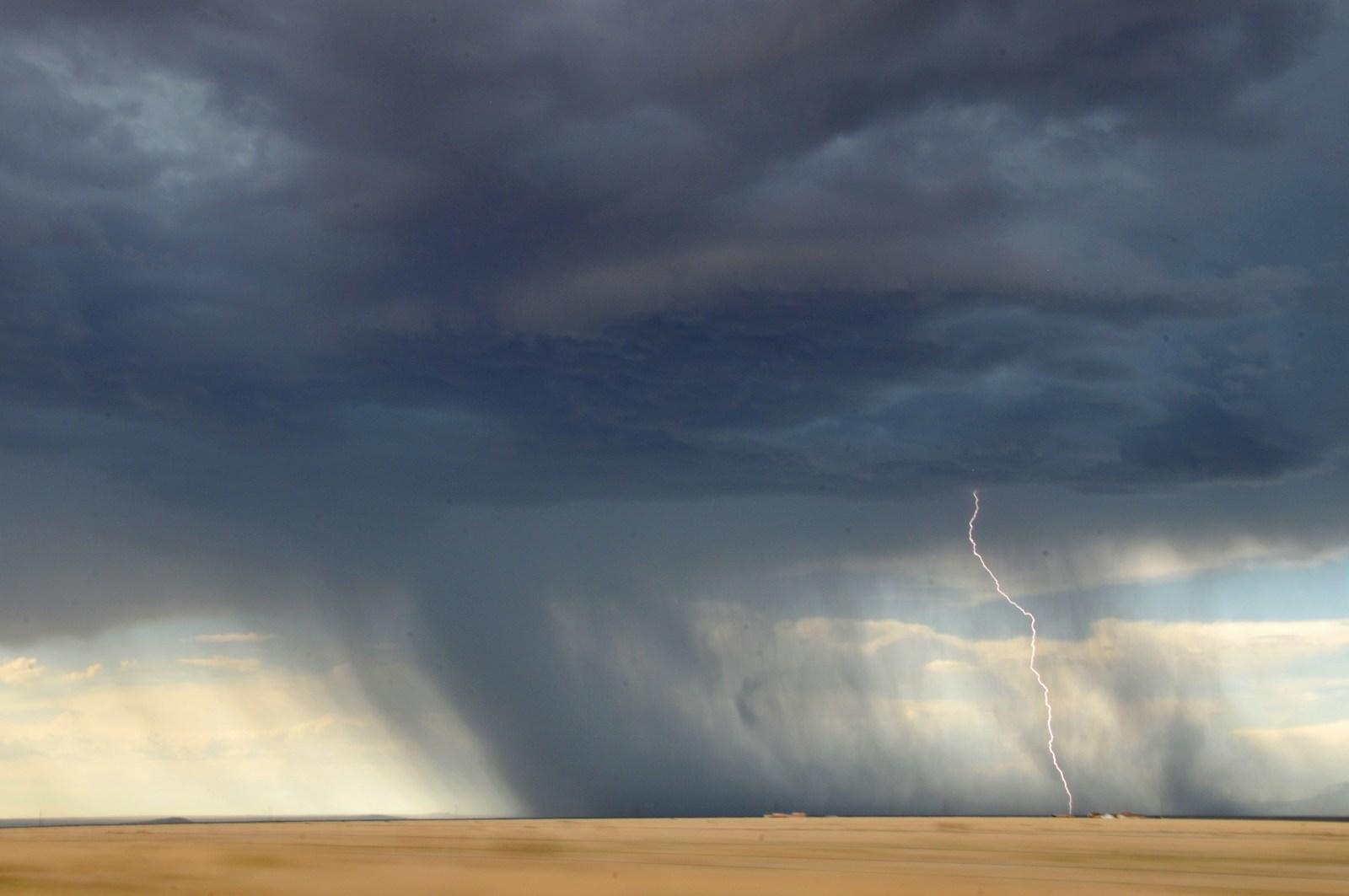
Texas weather operates in extremes. Months of scorching drought followed by torrential downpours. This cycle of extremes wreaks havoc on foundations across the state in ways that gradual climate changes never would.
Understanding how drought-to-deluge patterns damage foundations helps Texas homeowners protect their properties.
The Drought Phase Damage
Extended drought desiccates clay soils beneath foundations. As moisture leaves clay, the soil contracts and pulls away from foundations. This creates voids where foundations previously had solid support.
The 2011 Texas drought demonstrated extreme soil shrinkage. Parts of North Texas saw clay contract so severely that foundations dropped 3-6 inches in a single summer. Trees died, lawns turned brown, and foundations cracked across entire neighborhoods.
Deeper clay layers dry out during prolonged drought. While surface soil might receive occasional moisture from sprinklers or isolated showers, clay at 6-10 feet depth continues losing moisture through evaporation and plant extraction.
Desiccation cracks form in severely dried clay. These cracks extend several feet deep, creating pathways for rapid water penetration when rains finally arrive. This cracking fundamentally changes how the soil responds to moisture.
Transition Period Creates Maximum Stress
The shift from drought to rain creates extreme conditions. Dry, cracked clay suddenly receives massive moisture input. This rapid transition generates more foundation damage than either extreme alone.
Surface clay swells quickly while deeper layers remain dry. This creates differential expansion where the top few feet of clay swell while lower layers stay contracted. Foundations experience complex stress patterns as clay moves unevenly.
Flash flooding delivers water faster than soil can absorb it. During intense storms, water accumulates on surfaces then gradually penetrates. This delayed infiltration means clay continues swelling days or weeks after storms end.
Heavy Rain Phase Impacts
Saturated clay expands dramatically. That dried, contracted clay beneath your foundation can increase volume 10-15% as it rehydrates. This expansion generates tremendous upward pressure on foundations.
Houston’s 2017 Hurricane Harvey illustrated extreme swelling impacts. After years of relatively dry conditions, the 40+ inches of rain caused widespread foundation heaving. Homes that had settled during drought years suddenly experienced uplift damage.
Swelling rarely occurs uniformly. Clay beneath foundation centers might stay drier and expand less than perimeter clay receiving direct rainfall. This differential swelling creates bowl-shaped distortion that cracks slabs and stresses structural elements.
Extended wet periods create sustained swelling. While a single storm causes temporary expansion, weeks of above-average rainfall keep clay saturated. This prolonged swelling maximizes foundation movement and damage.
The Cycle Repeats
Texas weather cycles create cumulative damage. Each drought-to-rain sequence leaves foundations slightly worse than before. Cracks from the first cycle widen during subsequent cycles. Movement that seemed minor initially compounds over years.
The foundation doesn’t return to its original position. After clay shrinks and foundations settle, subsequent swelling might lift foundations but to a different configuration. This ratcheting effect progressively damages structures.
Different areas of foundations experience varying numbers of cycles. Shaded sides stay moister and experience less extreme cycling. South and west exposures dry more thoroughly and undergo more severe movement. This creates complex stress patterns across single foundations.
Regional Variation in Cycle Severity
North Texas experiences the most severe cycling. The DFW Metroplex sees regular multi-month droughts followed by intense spring storm seasons. This reliable annual pattern creates predictable foundation damage across the region.
Houston’s cycle follows different patterns. Gulf Coast humidity moderates some extremes, but tropical storms can deliver extraordinary rainfall amounts. The contrast between summer drought and hurricane season moisture creates unique challenges.
San Antonio and Austin face similar cycling but with different timing. Central Texas droughts can extend multiple years. When rains return, the contrast between extremely dry and saturated conditions causes dramatic soil movements.
West Texas experiences less cycling severity. Lower rainfall overall means clay stays drier year-round. When moisture arrives, it rarely saturates clay as thoroughly as in wetter regions. This moderates the cycle somewhat.
Tree Impact on Cycling
Trees amplify drought impacts. During dry periods, tree roots extract every available moisture drop. Clay beneath trees can dry to 15-20 feet depth. When rains arrive, that deeply desiccated clay swells dramatically.
Post Oak, Live Oak, and Red Oak common throughout Texas have particularly aggressive root systems. These trees create severe localized drought conditions during dry periods. The contrast when moisture returns causes extreme foundation movement near large trees.
Tree removal doesn’t immediately solve problems. Once a large tree is removed, clay that was kept dry by roots begins rehydrating. This can cause years of progressive swelling as moisture levels gradually increase to new equilibrium levels.
How Foundations Fail
Slab foundations crack from bending stress. During drought, perimeter clay shrinks more than center clay, creating edge drop. When rains arrive, perimeter swelling creates edge lift. Slabs can’t accommodate this back-and-forth bending without cracking.
Interior beams in pier and beam foundations span between piers. When drought causes some piers to settle while others stay supported, beams bend or crack. Rain-induced swelling creates different but equally damaging stress patterns.
Brick veneer shows stair-step cracks. The brick façade connects to foundations through wall structures. Each drought-rain cycle moves foundations slightly. Stress concentrates at brick corners and around openings, creating progressive cracking.
Plumbing beneath slabs breaks from foundation movement. Cast iron pipes common in older Texas homes are particularly vulnerable. Each cycle stresses pipe connections. Eventually, pipes crack or separate, creating leaks that worsen foundation problems.
Timing of Damage Appearance
Damage from drought appears gradually. Cracks widen over weeks and months. Doors begin sticking progressively worse. This gradual onset sometimes causes homeowners to miss early warning signs.
Rain-induced damage can appear suddenly. Rapid clay swelling creates quick movement. Homeowners sometimes report cracks appearing within days of heavy rains. This acute damage is easier to notice but indicates severe underlying problems.
Seasonal patterns emerge over years. Cracks that open during summer drought and close partially during wet seasons reveal ongoing cycling. This pattern indicates the foundation continues experiencing damaging movement.
Insurance and Weather-Related Damage
Most homeowners insurance excludes foundation damage from soil movement. Whether drought or rain caused the problem, typical policies don’t cover it. This exclusion leaves homeowners responsible for repair costs.
Some policies cover plumbing leaks under slabs. If weather-induced foundation movement broke pipes, resulting damage might be covered. This provides limited assistance but doesn’t address the foundation movement itself.
Flood insurance doesn’t cover foundation damage either. Even if your foundation cracks during flooding, flood policies specifically exclude foundation repairs. They cover contents and some structural elements but not foundation damage.
Monitoring Foundation Response
Install crack monitors on existing cracks. These simple devices show if cracks are stable or growing. Place them after the first significant cracks appear to track whether weather cycles cause progressive damage.
Photograph foundations seasonally. Take pictures of the same cracks and locations during wet and dry periods. This visual record reveals whether problems are static or cyclical.
Measure floor slopes annually. Use a long level and shims to measure slopes in multiple directions. Annual measurements during the same season show if foundation movement is progressive.
Check doors and windows systematically. Test operation of all doors and windows monthly. Note which ones stick and when. Seasonal patterns in operation difficulty indicate weather-related foundation movement.
Mitigation Strategies
Maintain consistent soil moisture around foundations. This doesn’t mean constant watering. It means preventing extreme drying during drought and managing water during rains. The goal is moderating the extremes that cause damage.
Foundation watering systems deliver moisture during drought. Soaker hoses placed 12-18 inches from foundations run on timers during dry periods. This prevents severe clay shrinkage that creates the most damaging part of the cycle.
Drainage management during rains is equally critical. Gutters must work properly. Downspouts need extensions carrying water at least 5 feet from foundations. Yard grading should slope away from structures.
Tree management reduces moisture extraction. Selective pruning reduces canopy size and water demand. This helps moderate drought impacts without eliminating landscaping entirely.
Soil Moisture Monitoring
Soil moisture meters help guide watering decisions. Insert probes at various depths near foundations. Monitor readings during drought to determine when watering is needed and when sufficient moisture exists.
Visual inspection provides rough guidance. Severely dried clay pulls away from foundations visibly. Cracks in soil wider than 1/4 inch indicate extreme drying requiring immediate watering.
Compare your property to neighbors’. If foundation watering maintains greener grass near your foundation while neighbor’s grass dies, you’re successfully moderating moisture levels. This visual comparison confirms your management approach works.
Foundation Design Considerations
Post-tensioned slabs resist weather-cycle damage better than standard slabs. The tensioned cables create rigidity that better accommodates clay movement without cracking. This design costs more initially but saves repair expenses later.
Deep pier and beam foundations anchor below the active zone. Piers reaching 12-15 feet deep in North Texas extend beneath clay affected by weather cycles. This provides stable support independent of surface soil changes.
Crawl space encapsulation moderates moisture cycling. Sealed crawl spaces maintain more consistent moisture levels. This reduces the severity of clay movement beneath pier and beam foundations.
Repair Timing Considerations
Repairs completed during moderate moisture conditions last better. If you repair during extreme drought, clay might swell and move foundations again when rains arrive. Repairs during saturated conditions might not be stable when the next drought hits.
Spring and fall offer optimal repair windows. Soil moisture typically sits between extremes during these seasons. Foundations repaired then have the best chance of maintaining position through subsequent weather cycles.
Some engineers recommend waiting through one complete cycle after repairs. This verifies the repairs hold through both drought and rain phases before declaring success. This patient approach prevents premature celebration of apparently successful repairs.
Long-Term Expectations
Texas weather patterns aren’t changing for the better. Climate projections suggest more extreme droughts and more intense rainfall events. This indicates the foundation challenges from weather cycling will likely worsen, not improve.
Maintaining foundations becomes an ongoing process, not a one-time fix. Properties on expansive clay in areas with severe weather cycling need regular attention. This reality affects ownership decisions and long-term budgeting.
Accepting some cosmetic cracking as inevitable helps maintain perspective. Not every hairline crack means disaster. The goal is preventing progressive structural damage, not achieving perfect appearance despite impossible conditions.
When Professional Help Is Needed
Progressive damage over multiple seasons needs professional assessment. If cracks widen measurably each year, the foundation requires intervention. Waiting only allows damage to worsen and repairs to become more expensive.
Sudden severe cracking after storms demands immediate inspection. Rapid movement indicates serious problems. Engineers can determine if conditions are stable or if emergency repairs are needed.
Multiple symptoms appearing together signal major issues. Cracking plus stuck doors plus sloping floors indicates substantial foundation movement. Professional evaluation determines the extent and required repairs.
Understanding that Texas weather will continue challenging your foundation prepares you mentally and financially. It’s not about panic. It’s about realistic expectations and proactive management appropriate to living in a state with extreme weather cycles and problematic soils.