How Expansive Clay Soils Across Texas Damage Your Foundation
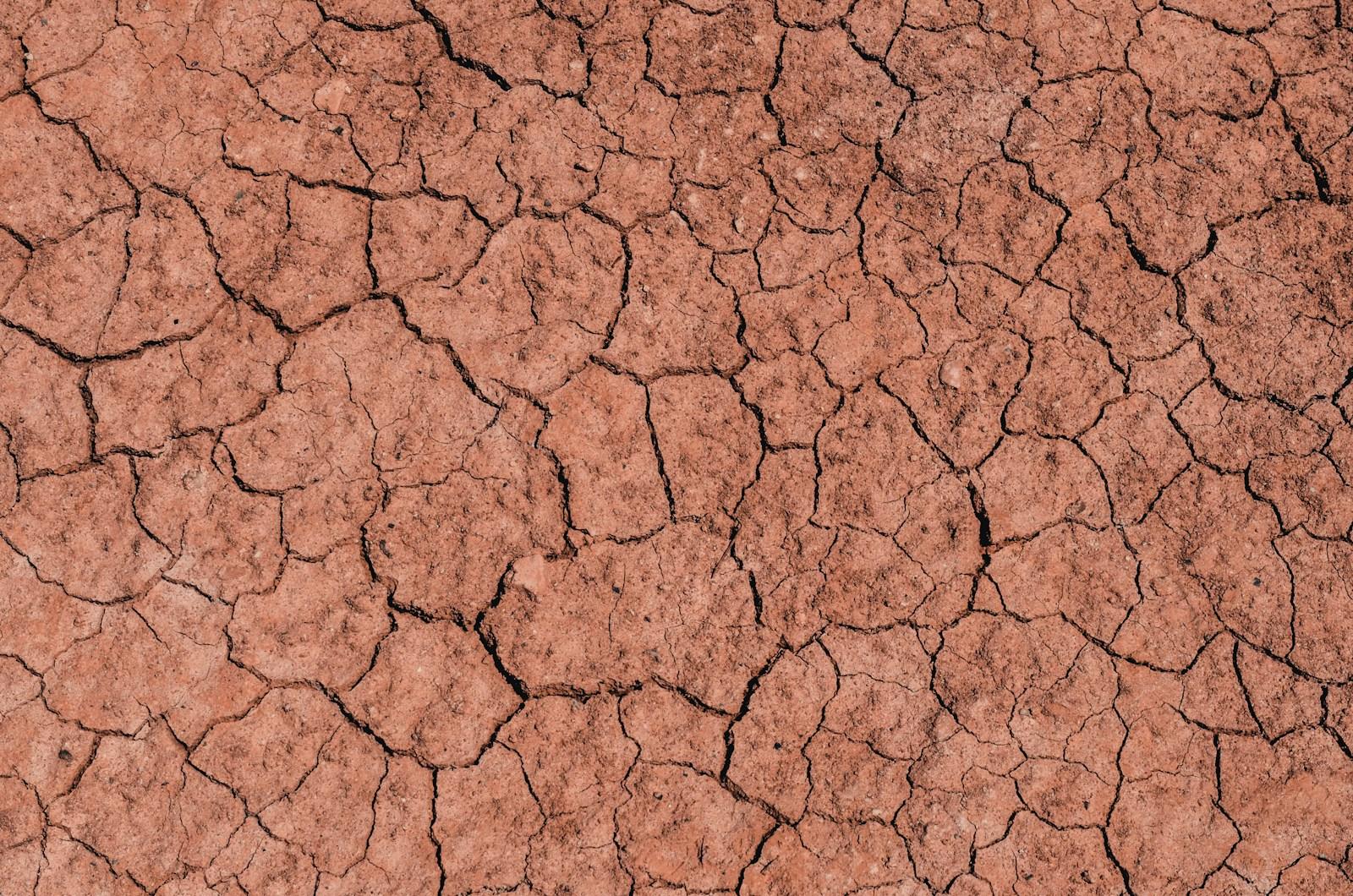
Texas sits on some of the most problematic soil in America for foundations. That heavy clay beneath your home expands when wet and shrinks when dry. This constant cycle creates forces powerful enough to crack concrete, lift floors, and destroy structural integrity.
Understanding how Texas clay behaves helps you protect your foundation and recognize problems before they become catastrophic.
What Makes Texas Clay Expansive
Clay minerals absorb water molecules between their microscopic layers. As water penetrates, the clay expands. When moisture leaves during droughts, clay contracts. This shrink-swell cycle can change soil volume by 10-15% between wet and dry conditions.
Houston’s clay soils contain high percentages of smectite minerals. These particular clays swell more dramatically than other types. A cubic yard of dry Houston clay can expand to nearly 1.3 cubic yards when fully saturated.
The Dallas-Fort Worth Metroplex sits on Eagle Ford shale and Austin chalk formations. These weathered materials create expansive clays that extend 8-12 feet deep in many areas. Foundation problems throughout DFW stem primarily from this problematic geology.
San Antonio’s soils vary between caliche-heavy areas and expansive clays. Properties on clay formations experience seasonal foundation movement as moisture levels change. The clay component in San Antonio soils can swell 6-8% with moisture changes.
How Deep Does the Problem Go
The active zone extends to the depth where moisture content changes seasonally. In North Texas, this reaches 10-12 feet typically. South Texas active zones vary from 6-10 feet depending on local conditions.
Trees affect the active zone depth significantly. Mature oak trees in Texas extract moisture down to 15-20 feet. Foundation problems near large trees stem from clay shrinkage at depths standard foundations can’t reach.
Drought conditions extend the active zone deeper. During extended dry periods, desiccation cracks allow air penetration to greater depths. When rains return, water reaches these deeper levels, causing swelling at unprecedented depths.
Forces Generated by Clay Movement
Swelling clays can generate uplift forces exceeding 10,000 pounds per square foot. Residential foundations are designed for downward loads, not upward pressure. This mismatch means even relatively thin clay layers create damaging forces.
Shrinking creates equally problematic conditions. As clay contracts, it pulls away from foundations. This removes support, allowing foundations to settle into resulting voids. The soil doesn’t magically return to its original configuration when moisture returns.
Edge lift represents one common failure mode. Clay beneath a foundation’s center stays relatively moist and stable. Perimeter clay dries out, shrinks, then swells with seasonal changes. This creates a bowl shape with edges lifting higher than centers.
Center lift affects homes with mature trees. Tree roots extract moisture from beneath foundation centers, causing clay there to shrink. Perimeter areas stay moister, creating a dome where centers drop relative to edges.
Seasonal Movement Patterns
Spring rains after winter create swelling conditions. Clay rehydrates rapidly during March through May across Texas. Foundations can heave several inches as swelling occurs. This rapid movement cracks slabs and stresses structural connections.
Summer drought creates shrinkage. June through September sees minimal rainfall across much of Texas. Clay dries, contracts, and pulls away from foundations. Voids develop beneath slabs and around pier foundations.
Fall typically brings slight moisture increases. September and October rains partially rehydrate clay. This creates secondary swelling that might not fully recover the summer shrinkage. Each annual cycle leaves cumulative damage.
Winter’s cooler temperatures reduce evaporation. Clay maintains more stable moisture content from November through February. Foundation movement slows during this period, though damage from previous seasons remains.
Geographic Variations Across Texas
Houston area soils are among Texas’s most expansive. Beaumont clay formations throughout Harris County create severe foundation challenges. Properties built in the 1960s-1980s often used shallow foundations inadequate for these conditions.
Austin sits on a mix of clay and limestone. Eastern Austin properties face expansive clay problems. Western areas on limestone have different issues. This geological transition zone creates neighborhood-by-neighborhood variation.
San Antonio’s soil varies dramatically within short distances. Some neighborhoods have stable caliche-based soils. Adjacent areas sit on expansive clays. Understanding your specific property’s geology matters more than city-wide generalizations.
El Paso’s clay differs from Gulf Coast varieties. The desert climate means clay stays drier year-round. Movement occurs but follows different patterns than humid regions. El Paso foundations fail from irrigation-induced swelling more than natural rainfall cycles.
How Foundations Fail on Clay
Slab foundations crack when clay creates differential movement. The slab can’t bend to accommodate soil changes beneath it. Cracks start small but widen as movement continues. Eventually, slabs break into separate sections that move independently.
Pier and beam foundations experience different problems. Individual piers settle or heave based on local clay conditions beneath each pier. The beam spanning between piers bends, cracks, or twists as piers move to different elevations.
Brick veneer cracks from foundation movement. The brick facade is connected to the foundation through the wall structure. When foundations move, stress concentrates at brick corners, around windows, and at roof lines. Stair-step cracks through mortar joints indicate foundation problems.
Interior walls crack at ceiling joints and door frames. As foundations move, the house frame distorts. Drywall can’t accommodate this movement. Cracks appear where stress concentrates, revealing the underlying foundation issues.
Early Warning Signs
Doors sticking in frames indicate foundation movement. Doors that previously closed easily now catch. This progressive difficulty over months or years signals ongoing foundation problems, not just seasonal humidity changes.
Cracks appearing in corners reveal foundation stress. Interior walls crack where they meet exterior walls or where perpendicular walls join. These high-stress locations show damage first as foundations move.
Floors developing slopes indicate major foundation movement. Use a marble or ball test. Place it on floors and watch if it rolls. Noticeable slopes visible to the eye represent several inches of foundation movement.
Gaps between trim and walls widen as foundations move. Baseboards, crown molding, and door casings pull away from walls. These gaps indicate the structure has shifted enough to break these connections.
Moisture Management Is Critical
Maintaining consistent soil moisture minimizes clay movement. This doesn’t mean keeping soil wet. It means preventing extreme drying and avoiding over-saturation. Consistent moisture reduces the shrink-swell cycle that damages foundations.
Foundation watering during droughts prevents excessive clay shrinkage. A soaker hose placed 12-18 inches from foundations delivers water directly to active zone clay. Run it periodically during dry periods to maintain moisture.
Proper drainage prevents over-saturation during rains. Gutters and downspouts must direct water away from foundations. Water pooling near foundations creates localized swelling while adjacent areas stay dry, causing differential movement.
Landscape irrigation requires careful management. Overwatering near foundations causes swelling. Underwatering far from foundations creates shrinkage. The goal is relatively uniform moisture across the entire property.
Trees and Foundation Damage
Large trees near foundations extract enormous moisture volumes. A mature oak can draw 50-100 gallons daily during summer. This creates severe clay shrinkage beneath and around foundations.
Tree roots extend far beyond the canopy. The rule of thumb suggests roots reach 1.5 times the canopy radius. A tree with 30-foot canopy spread has roots potentially reaching 45 feet from the trunk.
Removing large trees can cause foundation damage. Once a tree is removed, clay previously kept dry by root water extraction begins rehydrating. This swelling can lift foundations. Post-removal heaving sometimes exceeds the damage that occurred while trees were present.
Selective pruning reduces water demand without removing trees. Canopy reduction by 30-40% significantly decreases moisture extraction. This compromise keeps shade and landscaping while reducing foundation risk.
Foundation Design for Clay Soils
Post-tensioned slabs provide better performance on expansive clays. These slabs use steel cables tensioned after concrete cures. The tension creates a rigid structure that better resists clay movement forces.
Pier and beam foundations with deep piers reach below the active zone. Piers drilled to 12-14 feet in North Texas anchor foundations in stable soil unaffected by seasonal moisture changes. This design allows clay to move beneath the foundation without causing damage.
Proper site preparation makes foundations last. Removing highly expansive clay from beneath foundations and replacing it with less reactive fill reduces movement potential. This approach adds construction cost but prevents future repair expenses.
Moisture barriers beneath slabs help control moisture migration. Though not foolproof, these barriers slow moisture movement from soil into and through slabs. This helps maintain more uniform moisture conditions.
Repair Options for Clay-Damaged Foundations
Pressed concrete piers work for moderate foundation movement. These cylindrical piers are hydraulically pressed into soil until reaching stable bearing. They lift and stabilize foundations affected by clay movement.
Drilled concrete piers handle severe conditions. These piers are drilled to depths of 15-30 feet, filled with rebar and concrete. They provide maximum holding power for badly damaged foundations or highly expansive clays.
Steel piers offer another solution. Driven to bedrock or stable formations, steel piers create permanent support independent of clay behavior. They cost more but provide excellent long-term stability.
Mudjacking or polyurethane foam injection addresses minor settlement. These techniques fill voids beneath slabs created by clay shrinkage. They work for limited settlement but don’t solve problems from ongoing clay movement.
Cost Realities
Foundation repairs on expansive clays cost $8,000-$25,000 typically for moderate damage. Severe damage requiring extensive pier installation reaches $35,000-$60,000. These costs reflect the complexity of dealing with problematic Texas soils.
Ongoing maintenance costs money too. Properties on expansive clays might need periodic releveling every 10-20 years. This reality affects long-term ownership costs that buyers need to understand.
Prevention vs Repair
Proper maintenance costs far less than repairs. A soaker hose system costs $100-300. Annual monitoring and minor adjustments cost minimal amounts. Compare this to $20,000+ foundation repairs from neglect.
Catching problems early saves money. A few piers installed when movement first appears costs $3,000-6,000. Waiting until severe damage develops costs multiples of early intervention.
Living Successfully on Texas Clay
Millions of Texans live successfully on expansive clay soils. Understanding the challenges allows proactive management. This isn’t about fear—it’s about knowledge and appropriate action.
Regular inspections catch problems early. Annual walk-around inspections cost nothing. Professional evaluations every 3-5 years identify developing issues before they become emergencies.
Proper drainage remains the single most important maintenance task. Keep gutters clean. Ensure downspouts extend at least 5 feet from foundations. Maintain yard grading that slopes away from houses.
Consistent moisture management during droughts protects foundations. Foundation watering systems cost little to install and operate. The investment prevents expensive repairs from excessive clay shrinkage.
Accept that some movement is normal. Not every hairline crack means disaster. Foundations on clay will move slightly. The goal is managing that movement to prevent progressive damage, not achieving perfect immobility.