These Texas Cities Are Sinking Fastest – What It Means for Your Foundation
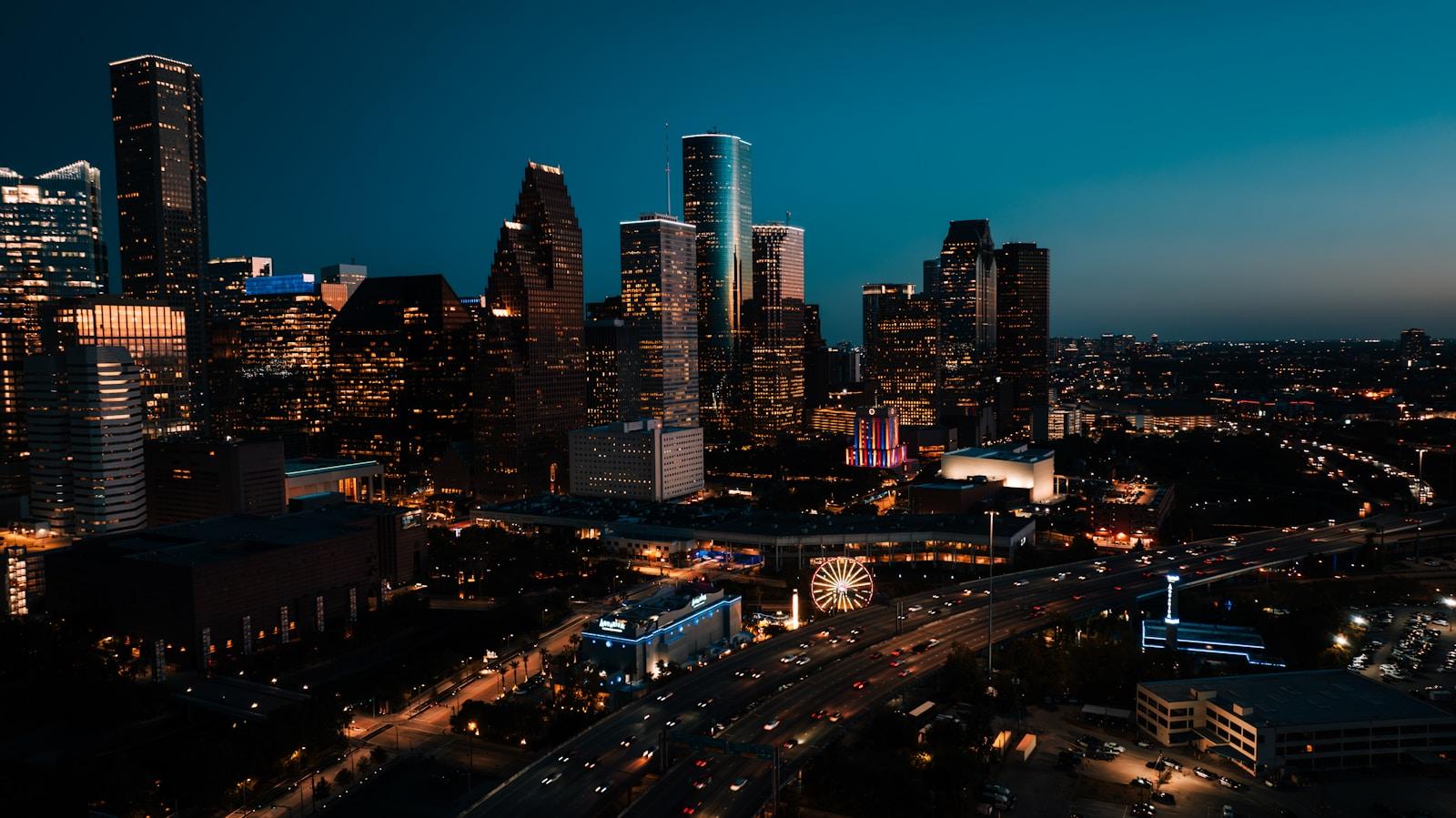
Parts of Texas are literally sinking. Not from some distant geological process, but from rapid subsidence happening right now beneath homes, businesses, and infrastructure across major metropolitan areas.
If you live in Houston, Dallas, San Antonio, or certain other Texas cities, your foundation might be dealing with more than just the usual clay soil problems.
Houston Leads Texas in Subsidence Rates
Houston tops the list for subsidence in Texas. Some areas have dropped more than 10 feet since the 1900s. NASA research shows certain Houston neighborhoods continue sinking 2 inches per year.
The Galveston Bay area experiences particularly severe subsidence. Baytown, Texas City, and coastal communities near Houston face ongoing settlement from decades of groundwater extraction. This creates a double threat: sinking land plus rising sea levels.
Harris County Subsidence District data reveals ongoing movement despite regulation efforts. Areas along I-10 east of downtown, parts of Pasadena, and sections near the Houston Ship Channel show continued settling.
San Antonio’s Edwards Aquifer Zone
San Antonio faces subsidence risks tied to Edwards Aquifer pumping. While not as dramatic as Houston’s settlement, certain San Antonio neighborhoods on the aquifer recharge zone experience foundation movement patterns linked to water table changes.
The city’s north and northeast sectors, including parts of Stone Oak and areas near Loop 1604, sit above particularly vulnerable geology. Years of aquifer drawdown during droughts create voids that don’t fully recover when rains return.
Dallas-Fort Worth Subsidence Patterns
The DFW Metroplex experiences localized subsidence from historical agricultural pumping and ongoing development. East Dallas, parts of Garland, and sections of Irving show measurable land surface changes over the past decades.
Tarrant County areas near Fort Worth, particularly neighborhoods built on former agricultural land, face subsidence from soil consolidation. The heavy clay soils compact under building loads, creating ongoing settlement issues distinct from water-related subsidence.
El Paso’s Unique Challenges
El Paso subsidence stems from Hueco Bolson aquifer pumping. The east side of El Paso, including areas near Fort Bliss and the airport, has experienced measurable subsidence. Some neighborhoods have settled several inches over recent decades.
The city’s location in the Chihuahuan Desert means every drop of groundwater pumped creates stress on underground formations. Unlike coastal areas where some recharge occurs naturally, El Paso’s arid climate offers minimal natural replenishment.
Corpus Christi Coastal Subsidence
Corpus Christi faces subsidence along the coast similar to Houston but on a smaller scale. Neighborhoods near Portland, parts of the Southside, and areas around Corpus Christi Bay show settlement from historical groundwater use.
The combination of subsidence and hurricane storm surge creates elevated flood risk. Properties that were safely above flood levels decades ago now face increased water intrusion risk during tropical storms.
What Subsidence Does to Foundations
Regional subsidence creates uneven settlement patterns. While your entire neighborhood might be sinking, individual properties settle at different rates. This differential movement cracks foundations, breaks slab connections, and damages structural elements.
Pier and beam foundations face particular challenges. As surrounding ground drops, piers can lose support or experience lateral stress. Wood beams and joists twist or crack from the changing geometry.
Slab foundations crack from bending stress. Large slabs can’t accommodate significant differential settlement without fracturing. Once cracked, slabs allow moisture penetration that accelerates deterioration.
Groundwater-Related Foundation Issues
Subsidence from groundwater extraction changes how water moves through soil. Compacted clay layers alter drainage patterns. Water that previously flowed through soil now pools or moves unpredictably.
Your foundation might experience new moisture problems as subsidence progresses. Yards that drained well suddenly hold water. Crawl spaces that stayed dry develop moisture issues. These changes stem from altered soil structure.
Identifying Subsidence vs Normal Settlement
Normal foundation settlement happens within months of construction. Subsidence-related foundation problems develop over years or decades. Cracks appearing in 10-year-old homes on previously stable foundations suggest regional subsidence rather than construction issues.
Check if neighbors experience similar problems. Subsidence affects areas, not individual properties. If multiple homes on your street show foundation cracks developing around the same time, regional subsidence might be the cause.
Texas Subsidence Monitoring Resources
The Harris County Subsidence District provides public data on subsidence rates throughout the Houston area. Their website includes maps showing historical settlement and current monitoring station data.
USGS (United States Geological Survey) tracks subsidence across Texas. Their studies document land surface changes in major metro areas. These reports help homeowners understand if regional subsidence affects their area.
Local university geology departments often maintain subsidence research programs. UT Austin, Texas A&M, and other institutions publish studies on Texas subsidence patterns and impacts.
Foundation Repair in Subsidence Zones
Standard foundation repairs might not address subsidence-related damage. Underpinning to shallow depths fails if regional subsidence continues. Piers must reach stable formations below the subsiding zone.
Drilled concrete piers work better than pressed concrete or steel piers in subsidence areas. Drilled piers can reach depths of 20-30 feet or more, anchoring foundations to stable geology beneath settling surface soils.
Some subsidence zones require ongoing maintenance rather than one-time repairs. If regional settlement continues, foundations need periodic releveling as the surrounding ground drops. This reality affects long-term ownership costs.
Property Value Impacts
Homes in known subsidence zones face valuation challenges. Buyers recognize the ongoing risk. Mortgage lenders might require additional inspections or refuse loans on properties with significant subsidence damage.
Disclosure requirements vary by location. Texas law requires sellers to disclose known foundation problems. If subsidence caused damage, that history follows the property through future sales.
Insurance Considerations
Standard homeowners insurance doesn’t cover subsidence damage. This earth movement exclusion appears in most policies. Foundation damage from subsidence typically falls on homeowners to repair.
Some insurers charge higher premiums in known subsidence areas. They recognize the elevated risk of foundation claims even when subsidence itself isn’t covered. This reflects the reality that subsiding ground creates multiple pathways to foundation damage.
Future Subsidence Predictions
Climate change models predict more extreme droughts in Texas. Extended dry periods increase groundwater pumping. This creates conditions for accelerated subsidence in areas already vulnerable.
Population growth drives increased water demand. Even with conservation efforts and alternative water sources, Texas cities will continue drawing from underground aquifers. This suggests ongoing subsidence risk for the foreseeable future.
Living with Subsidence Risk
Properties in subsidence zones aren’t doomed. Millions of Texans successfully own homes in Houston, San Antonio, and other affected areas. Understanding the risk allows proactive management.
Regular foundation inspections catch problems early. Annual checks by qualified foundation specialists identify developing issues before they become expensive emergencies. Early intervention costs far less than major repairs.
Proper drainage management helps offset subsidence impacts. Even if you can’t stop regional settlement, controlling water around your foundation minimizes compounding problems. Good drainage prevents subsidence-damaged foundations from deteriorating further.
Groundwater District Regulations
Many Texas subsidence zones now have groundwater conservation districts. These entities regulate pumping to slow subsidence rates. Harris County, for example, implemented regulations that reduced subsidence rates significantly.
These districts can’t reverse historical subsidence. They slow ongoing settlement and prevent acceleration. For homeowners, this means current damage might stabilize but won’t improve without foundation repairs.
When to Seek Professional Assessment
Foundation cracks appearing in homes over 10 years old warrant professional inspection. This timing suggests something beyond normal settlement. In subsidence zones, it might indicate the regional movement has affected your property.
Multiple cracks developing within short timeframes need immediate attention. If you notice several new cracks within 6-12 months, regional subsidence might be accelerating or affecting your specific location.
Doors and windows sticking progressively worse over time indicate ongoing foundation movement. This differs from seasonal sticking related to humidity. Progressively worsening operation suggests the foundation continues shifting.
Gaps between walls and ceilings widening measurably over months confirm active foundation problems. Take photos with rulers for scale. Monthly comparisons reveal if problems are static or progressive.
Mitigation Strategies
Deep pier systems provide the best defense against ongoing subsidence. Piers anchored 25-40 feet deep reach formations unaffected by surface subsidence. This depth ensures long-term stability even if regional settlement continues.
Monitoring systems track foundation movement over time. Some homeowners in subsidence zones install permanent monitoring equipment. This early-warning system catches renewed movement before visible damage occurs.
Strategic landscaping helps manage water around foundations. Proper grading moves water away from structures. This becomes more critical in subsidence zones where altered soil structure changes drainage patterns.
Understanding that you live in a subsidence zone changes how you maintain your property. It’s not about panic. It’s about awareness and proactive management that protects your investment long-term.