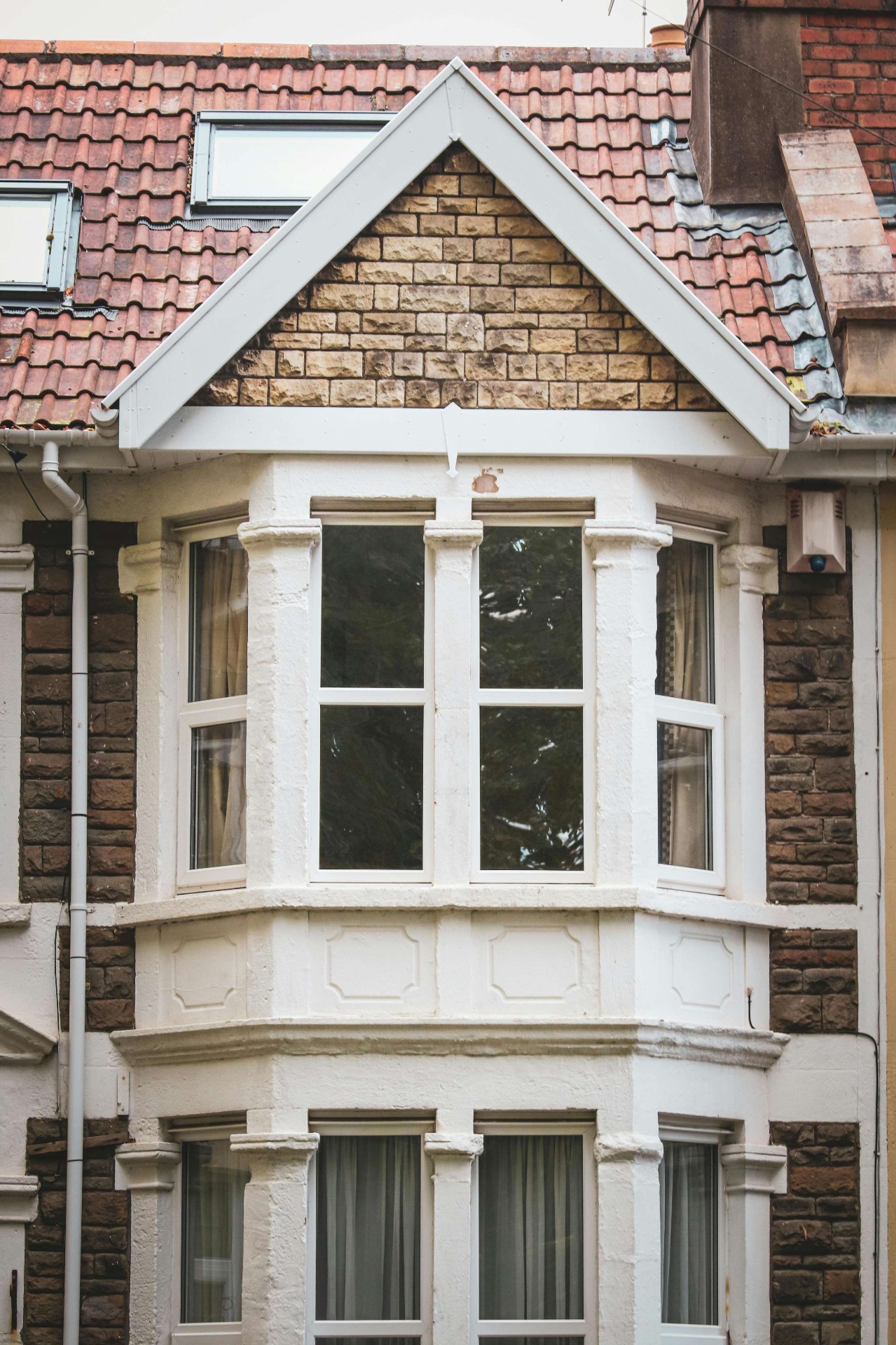
Unique Challenges of Older Texas Homes
Homes built before 1960 present unique foundation challenges that require specialized knowledge and careful approaches:
Pier & Beam Construction
Most pre-1960 Texas homes use pier and beam foundations with wood floor joists sitting on piers. These systems have different failure modes than modern slabs and require different repair techniques.
Minimal Original Engineering
Older homes often lack the engineering standards of modern construction. Foundations may have been built by rule-of-thumb rather than calculation, leading to undersized or improperly designed systems.
Deteriorated Materials
Wood rot, rust, and concrete deterioration are common. 60+ year old materials have been exposed to moisture, insects, and Texas weather for decades.
Multiple Renovations
Many older homes have had additions, modifications, and repairs over the years. These changes may have altered load paths or created new structural issues.
Settlement Over Time
Decades of soil movement have taken their toll. Some settlement in old homes is expected, but you need to determine what's stable versus actively failing.
Historic Preservation Concerns
For homes in historic districts or with architectural significance, repairs must preserve original character and may require special approvals.
Common Old Home Foundation Types
Pier & Beam (Most Common Pre-1960)
Wood floor joists supported by wood beams resting on masonry or concrete piers. Crawlspace beneath provides access to plumbing. Common issues:
- • Rotted beams or floor joists
- • Settled or cracked piers
- • Inadequate pier spacing (causing sagging floors)
- • Termite or wood rot damage
- • Moisture problems in crawlspace
Limestone Block Foundations
Native Texas limestone blocks stacked to form perimeter foundation. Beautiful and historic but prone to:
- • Mortar deterioration between blocks
- • Individual blocks cracking or shifting
- • Water intrusion and erosion
- • Settlement due to shallow depth
Early Concrete Slabs (1950s-1960s)
Early slab-on-grade foundations, often thinner and less reinforced than modern standards:
- • Insufficient rebar or mesh reinforcement
- • Shallow depth (4 inches vs modern 6+ inches)
- • Poor soil preparation beneath slab
- • Lack of post-tension cables (introduced later)
Fieldstone or Rubble Foundations
Irregular stones mortared together, common in very old Texas homes (pre-1920):
- • Unstable structure compared to modern foundations
- • Difficult to repair while maintaining appearance
- • Often requires specialized masonry restoration
Our Approach to Old Home Foundation Repair
1. Thorough Historical Assessment
We research original construction methods, review any available plans, and inspect existing conditions comprehensively. Understanding how the home was built guides our repair approach.
2. Preserve Character Where Possible
We work to maintain the home's architectural integrity. When replacing deteriorated materials, we match original appearances and use period-appropriate methods when feasible.
3. Upgrade to Modern Standards
While preserving character, we bring structural systems up to modern safety and performance standards. This often means adding more piers than originally existed or increasing beam sizes.
4. Address Moisture and Decay
Old homes often have moisture problems. We install vapor barriers, improve ventilation, address drainage issues, and replace any rotted wood components during foundation work.
5. Work with Historic Commissions
For homes in historic districts, we provide documentation and coordinate with preservation boards to ensure repairs meet both structural requirements and historic preservation standards.
Specific Repair Techniques for Old Homes
Pier & Beam Restoration
For pier and beam systems, we typically:
- • Replace rotted beams with pressure-treated lumber or steel
- • Add supplemental piers at proper spacing (typically 6-8 feet)
- • Level floors by shimming piers to proper height
- • Install adjustable steel piers for future maintenance
- • Add vapor barriers to reduce moisture
- • Improve crawlspace ventilation
Masonry Foundation Stabilization
For limestone, stone, or brick foundations:
- • Repoint deteriorated mortar joints
- • Install push piers or helical piers to stabilize settled areas
- • Apply waterproofing to prevent further deterioration
- • Replace severely damaged stones while matching originals
- • Add structural reinforcement (hidden when possible)
Early Slab Repair
For 1950s-1960s slab foundations:
- • Install push piers around perimeter to stabilize settlement
- • May need more piers than modern homes due to thinner slabs
- • Address any plumbing leaks that contributed to problems
- • Inject and seal cracks to prevent water intrusion
- • Improve drainage around home
Is Repair Worth It for Old Homes?
Many homeowners wonder if investing in foundation repair makes sense for an older home. Consider:
Historic & Character Value
Older homes have architectural details, materials, and craftsmanship impossible to replicate today. Proper foundation repair can preserve these homes for future generations.
Location Benefits
Many old Texas homes are in established neighborhoods with mature trees, walkable streets, and central locations. These locations are irreplaceable.
Quality Original Construction
Despite foundation issues, older homes often feature superior materials like old-growth lumber, solid hardwood floors, and thick plaster walls that modern homes lack.
Financial Sense
Foundation repair typically costs far less than purchasing a comparable home in the same location. When combined with the home's unique features, repair is often the smart financial choice.
Preserve Your Historic Texas Home
We understand the special care old homes require. Schedule a free inspection from specialists who appreciate historic architecture and modern engineering.