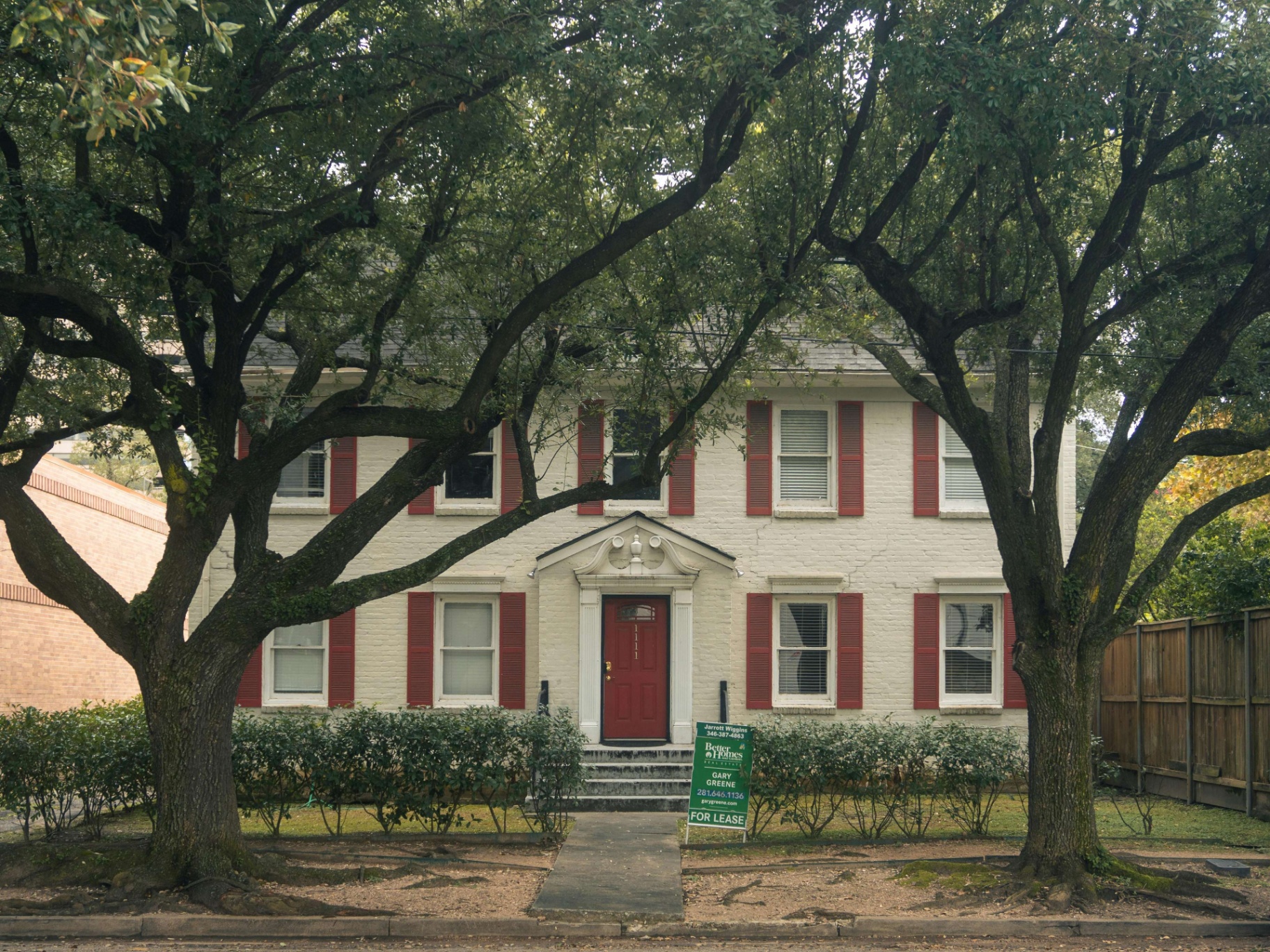
How Tree Roots Damage Foundations
Tree roots cause foundation problems through two primary mechanisms in Texas:
Moisture Extraction
Large trees extract hundreds of gallons of water daily from soil. When roots grow near foundations, they dry out the clay soil, causing it to shrink and the foundation to settle.
This is the most common tree-related foundation issue in Texas.
Physical Root Intrusion
Tree roots growing under slabs can lift foundations, while roots growing against foundation walls can create pressure and cracks. This is less common but more dramatic when it occurs.
Primarily affects pier & beam and older slab foundations.
High-Risk Trees in Texas
Certain tree species pose greater foundation risks due to extensive root systems and high water consumption:
Very High Risk Trees
- • Willow Trees: Aggressive roots seeking water, can extend 40+ feet
- • Cottonwood: Massive root systems, very high water consumption
- • Silver Maple: Shallow, spreading roots that commonly lift foundations
- • Ash Trees: Extensive root networks that dry out large soil volumes
High Risk Trees
- • Live Oak: Common in Texas, large root spread up to 3x canopy width
- • Red Oak: Deep taproots but extensive lateral roots near surface
- • Pecan Trees: Large water requirements, common in Texas yards
- • Elm Trees: Aggressive root systems, adapt to find water sources
- • Magnolia: Shallow spreading roots that compete for foundation moisture
Moderate Risk Trees
- • Crape Myrtle: Smaller root systems but can affect foundations when mature
- • Cedar/Juniper: Moderate water needs, localized impact
- • Pine Trees: Deep taproots reduce surface foundation impact
Safe Distance Guidelines
As a general rule, tree roots extend well beyond the visible canopy. Follow these distance guidelines:
Large Trees (Oak, Ash, Cottonwood): Plant at least 20-30 feet from foundation. Roots can extend 40-60 feet from trunk.
Medium Trees (Pecan, Elm): Plant at least 15-20 feet from foundation. Root spread typically 1.5-2x canopy width.
Small Trees (Crape Myrtle, Ornamentals): Plant at least 8-12 feet from foundation. Lower water demand reduces risk.
Solutions for Tree-Related Foundation Problems
Foundation Repair with Piers
When tree roots cause settlement, foundation piers stabilize and level the structure. Piers bypass the problematic soil and transfer weight to stable deep layers.
This addresses the settlement but doesn't eliminate the root cause. Additional moisture management is needed.
Root Barrier Installation
Physical barriers (typically HDPE panels) installed between trees and foundations redirect root growth away from structures. Effective for preventing future issues.
Best installed during new construction or landscaping. Less effective for mature tree systems already near foundations.
Foundation Watering Systems
Soaker hoses or drip irrigation around the foundation maintain consistent soil moisture, counteracting tree root water extraction. Critical during Texas droughts.
Water slowly and consistently (not flooding). Goal is to offset tree water consumption and maintain stable soil conditions.
Strategic Tree Removal
When large trees are too close to foundations, removal may be the only long-term solution. This is especially true for aggressive species like willows near structures.
CAUTION: Removing large trees can cause soil rebound as moisture increases. May require foundation stabilization during transition period.
Root Pruning
Selectively cutting roots can reduce foundation pressure and moisture extraction. Should only be done by qualified arborists to avoid killing the tree.
Temporary solution—roots will regrow. Typically combined with barrier installation for long-term management.
Warning Signs of Tree-Related Foundation Damage
- Foundation cracks appearing or worsening during summer droughts
- Settlement concentrated on one side of home (side nearest large tree)
- Visible roots near or under foundation during excavation
- Soil pulling away from foundation during dry periods
- Doors and windows sticking more during dry months
- Cracks following seasonal patterns (wider in summer, narrower in winter)
- Trees showing signs of stress from limited water access
- Differential movement—one end of house stable, other settling
Expert Assessment of Tree-Related Foundation Issues
We'll evaluate your property's trees and foundation to develop a comprehensive solution that protects both your home and your landscaping when possible.